Stories
•
The Countries Where Digital Nomads Can Stop Being Temporary
By Angel Reyes
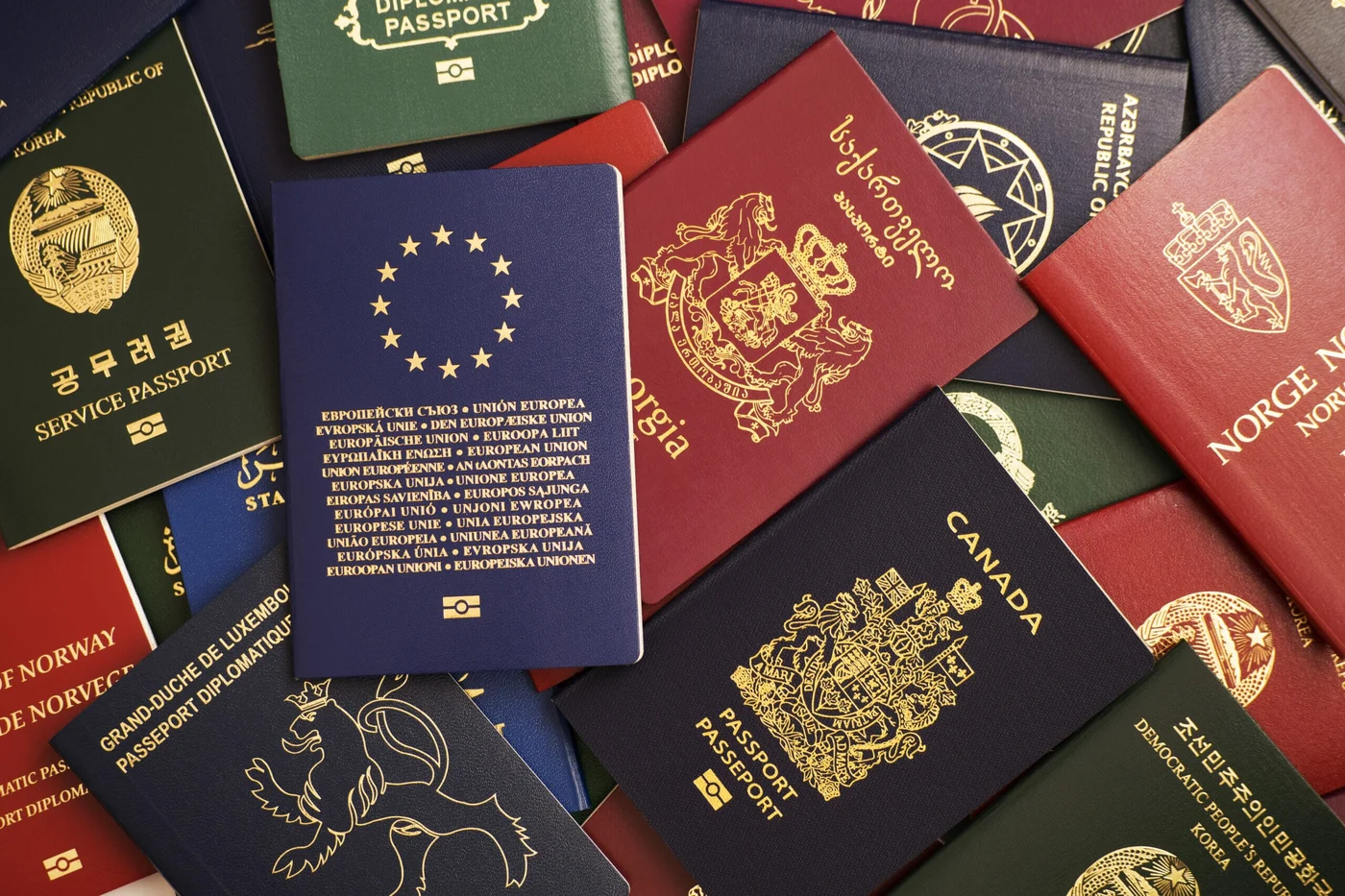
The hardest truth about the digital nomad lifestyle is that most of it is designed to end. The visas are generous enough to make you comfortable, but never generous enough to let you belong. You are allowed to stay, spend, rent, and contribute economically, but the moment permanence enters the conversation, the tone changes. Extensions disappear. Time stops counting. You are reminded, politely, that you were always supposed to leave.
What separates a temporary stay from a future citizenship is not how long a visa lasts, but whether the time you spend inside a country accumulates legally. Most digital nomad visas do not. They function more like lifestyle permissions than immigration pathways. They are excellent for mobility, terrible for roots. A smaller group of countries approaches the issue differently. These systems allow remote workers to transition from temporary legality into recognized residency, and crucially, they allow that residency time to compound. That is where the story changes.
Portugal has become the quiet example most countries refuse to acknowledge publicly. It does not market itself aggressively to nomads, but it has built one of the most forgiving legal structures for people with foreign income. Remote workers who establish residency through income based visas find that time actually counts. Taxes are paid. Addresses are registered. Five years later, citizenship is no longer theoretical. Portugal does not require extraordinary wealth or cultural theatrics. It rewards stability. If you stay compliant and present, the law eventually recognizes you as permanent.
Spain offers a more modern entry point, but an older soul beneath it. The digital nomad visa makes entry explicit, yet the system that follows remains slow, layered, and unapologetically bureaucratic. What Spain offers in return for patience is legitimacy. Residency is real. Time counts. For many Latin American nationals, the path to citizenship accelerates significantly. Spain is not designed for speed. It is designed for endurance, and those who understand this tend to succeed.
Mexico never bothered to brand itself as a digital nomad destination, which may be its greatest strength. The country relies on straightforward residency categories that quietly accommodate remote income. Temporary residency leads to permanent residency, and permanent residency opens the door to citizenship. There is no spectacle here, only process. Mexico values financial self sufficiency and presence more than professional labels. For those willing to stay long enough, the transition feels almost anticlimactic, which is often the sign of a system that works.
South America tells a different story, one shaped more by presence than perfection. Argentina, despite its economic volatility, maintains some of the most generous citizenship laws in the Western Hemisphere. Residency is accessible for those with provable income, and citizenship timelines are among the shortest globally if legal residence is maintained. The system cares less about polish and more about continuity. If you live there, the law eventually acknowledges it.
Brazil operates somewhere between order and chaos. The bureaucracy is inconsistent, but the legal framework exists. Residency options can be accessed by remote workers through indirect paths, and time does count. Citizenship is possible, but it demands patience and documentation. Brazil does not sell itself as easy. It simply allows the process to exist for those persistent enough to follow it.
Europe’s northern and central countries tend to be more explicit about expectations. Germany, for example, permits freelancers and remote workers through structured residency options, but it expects integration, contribution, and long term commitment. Citizenship is attainable, but it is not casual. Estonia pioneered the digital nomad concept technologically, yet remains conservative with citizenship. Time spent on nomad visas often does not count unless transitioned into formal residency. These countries excel at systems, not shortcuts.
What all successful pathways share is not generosity, but clarity. Time must count. Status must evolve. A visa that resets the clock every year is not a path, no matter how comfortable it feels. The mistake many nomads make is optimizing for duration instead of accumulation. Staying longer means nothing if the law treats every year as your first.
Citizenship is not the reward for movement. It is the reward for sustained legality. Remote work is merely the entry tool. The real work is staying put long enough for a system to recognize you as more than a visitor. The countries that allow this are not advertising it loudly. They are simply waiting for people who understand that permanence is built slowly, not granted.
For those willing to choose a place not just to visit, but to remain, the door is already open. You just have to walk through it deliberately.
Share
Copy link
This article may contain affiliate links. If you buy through them, we may earn a commission at no extra cost to you.