Stories
•
Saudi Arabia Is Opening Its Real Estate Market.
By Angel Reyes
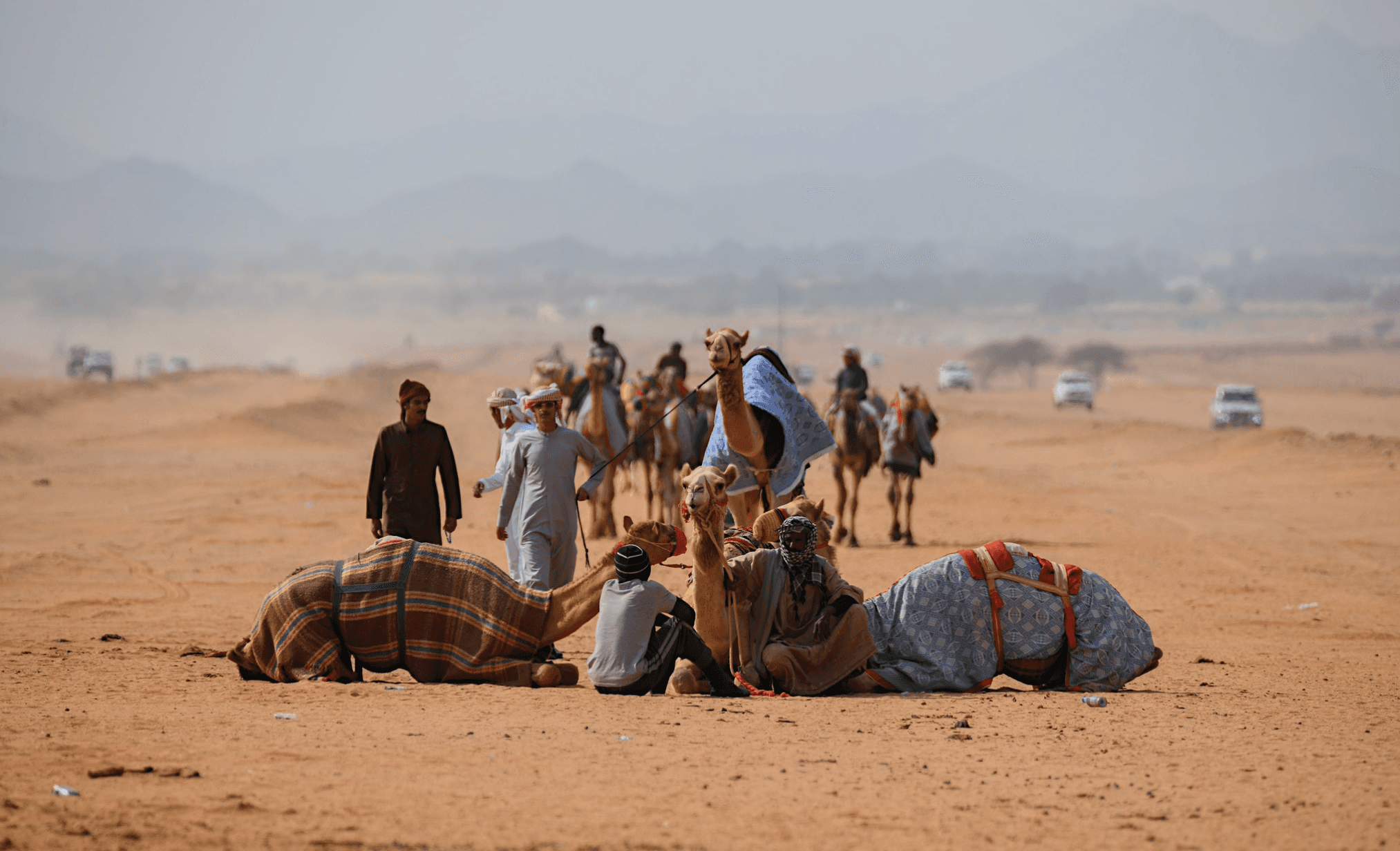
Saudi Arabia is preparing to open its real estate market in January, and whether people are ready to admit it or not, this is a significant shift. Not just economically, but psychologically. Property ownership is one of the clearest signals a country can send about how it sees foreigners. Tourism is temporary. Visas are conditional. Real estate is different. It suggests confidence. It suggests permanence. It suggests that a place is no longer just being visited, but considered.
For decades, Saudi Arabia existed outside the mental map of most travelers and remote workers. Not because of a lack of interest, but because access was limited, rules were rigid, and long-term participation was clearly not the goal. That has been changing steadily, and this move feels like the most tangible signal yet. Opening the real estate market is not about selling apartments. It’s about reshaping perception.
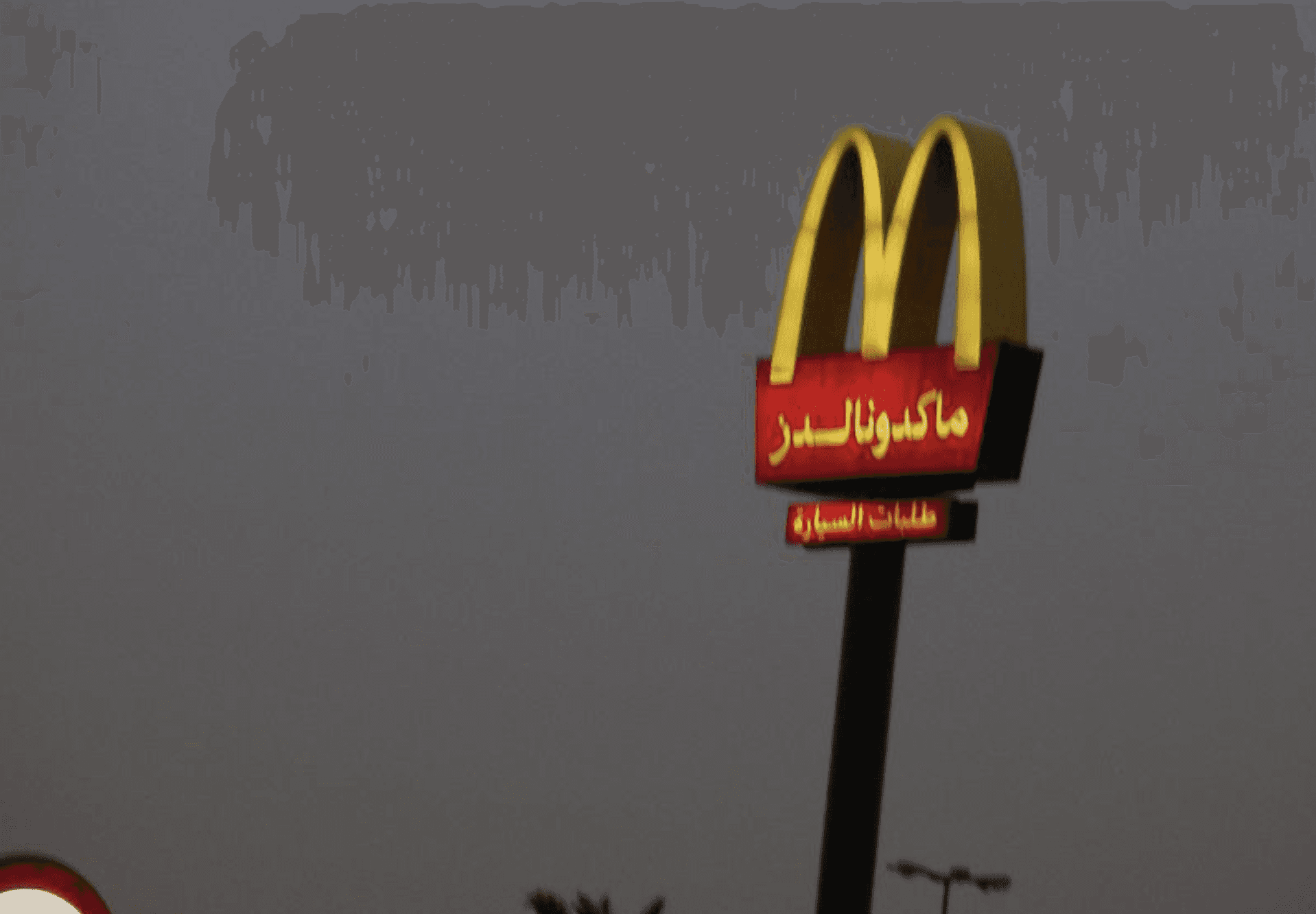
What’s interesting is the timing. As remote work normalizes and people reassess where they want to live, countries are competing less on slogans and more on structure. Saudi Arabia understands this. You don’t attract long-term interest with marketing alone. You do it by allowing people to plant stakes, even cautiously. Ownership creates a different relationship between place and person. It changes how people behave, invest, and imagine their future.
That said, this isn’t a sudden free-for-all. Saudi Arabia is not reinventing itself overnight, and it shouldn’t. The country moves deliberately, often quietly, and within its own framework. This real estate opening is expected to be regulated, targeted, and strategic. Certain zones. Certain buyers. Certain conditions. That restraint is part of the signal. This isn’t about volume. It’s about alignment.
From a digital nomad or location-independent perspective, this move is fascinating, even if it doesn’t immediately translate into mass migration. Saudi Arabia isn’t trying to become a casual nomad hub. It’s positioning itself as a serious, long-term option for people willing to engage with the country on its terms. That alone sets it apart from destinations that rely on flexibility and informality to attract foreigners.
There’s also a broader regional context at play. The Middle East has been quietly redefining itself as a place for global citizens, not just short-term workers. Infrastructure is modern. Connectivity is strong. Cities are expanding rapidly. By opening real estate ownership, Saudi Arabia is signaling that it wants participation, not just presence. That’s a different proposition entirely.

Of course, this shift will raise questions. Cultural adaptation. Legal clarity. Lifestyle compatibility. These are not small considerations, and they shouldn’t be glossed over. Saudi Arabia is not a blank slate where anyone can project their ideal life. It has its own rhythm, values, and expectations. For some people, that will be a dealbreaker. For others, it will be the appeal.
What matters is choice. Opening the real estate market gives people the option to think longer-term. It allows entrepreneurs, investors, and globally mobile individuals to consider Saudi Arabia not just as a place to pass through, but as a place to participate in. That’s a powerful shift, even if only a small percentage act on it initially.
This move doesn’t mean Saudi Arabia is trying to copy anyone else. It’s doing what it’s done consistently in recent years. Expanding access while maintaining control. Inviting interest without abandoning identity. Whether or not someone ever buys property there, the signal itself matters.
When countries start allowing ownership, they’re not just selling land. They’re redefining who gets to imagine a future there. And in that sense, Saudi Arabia’s decision marks a new chapter, not just for its real estate market, but for how the world relates to it going forward.
Share
Copy link
This article may contain affiliate links. If you buy through them, we may earn a commission at no extra cost to you.